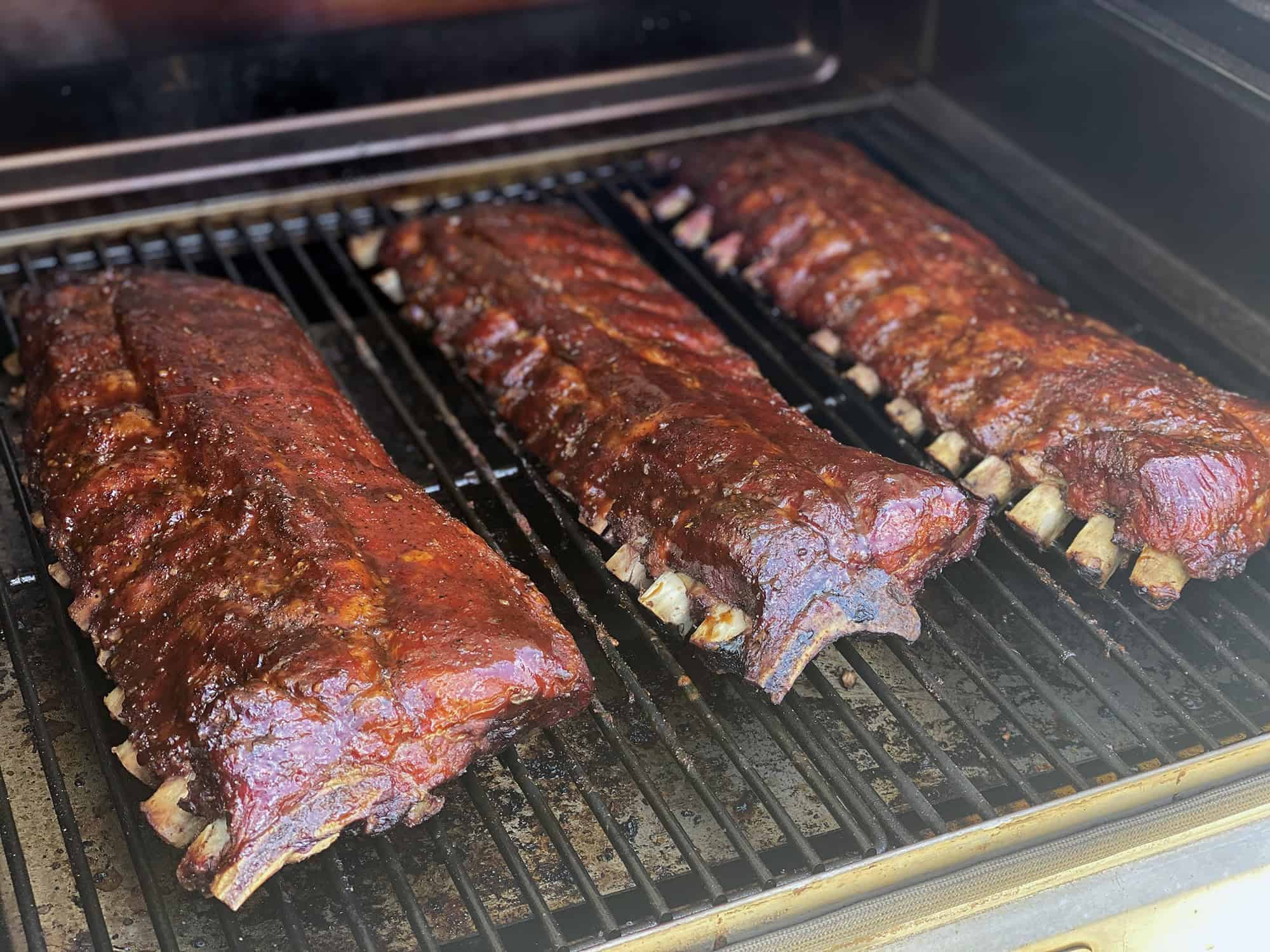
Why 3-2-1 Ribs Fail: Master Real Smoked Ribs Without Boiling
The quest for the perfect rack of ribs is a journey many backyard barbecue enthusiasts embark on, often guided by well-meaning but ultimately misleading advice. Achieving tender, flavorful, and truly smoky ribs, whether you prefer St. Louis style, spare ribs, or succulent baby back ribs, is within reach. Yet, countless hopeful pitmasters stumble at the first hurdle, falling prey to two common misconceptions: the rigid 3-2-1 smoking method and the cardinal sin of boiling ribs. If you've ever wondered why your ribs turn out mushy, flavorless, or simply not up to championship standards, you're in the right place. We're here to demystify the art of the perfect
smoked ribs recipe, guiding you past these pitfalls to achieve genuine barbecue glory.
The Lure of "Fall-Off-The-Bone" and the Truth Behind the 3-2-1 Myth
For years, the "3-2-1 method" has been touted across the internet as a foolproof guide to smoked ribs. It dictates a 3-hour smoke, followed by 2 hours wrapped tightly in foil, and a final 1 hour unwrapped. While its simplicity might appeal to beginners, ask any competition pitmaster or seasoned barbecue veteran, and you'll likely hear a resounding dismissal. As Sterling Ball of BigPoppaSmokers.com and an American Royal winner famously puts it, he'd "like to kill the man who came up with the 3-2-1 concept. He’s ruined more meat…"
So, what makes the 3-2-1 method so problematic for a true
smoked ribs recipe? The critical flaw lies in the "2 hours in foil" segment. While wrapping can help tenderize and prevent drying, two hours, especially with added liquid, is simply too long for pork ribs. Beef brisket, a much tougher cut, often benefits from extended wrapping periods, but ribs are different. This prolonged steam bath causes the meat to become excessively soft, breaking down too much collagen and resulting in a texture that's often described as "mushy" or "pulp." True barbecue ribs should be tender enough to pull cleanly from the bone with a gentle tug, leaving a clean bone – not disintegrating into a heap of unidentifiable meat. This desired "bite" and texture are lost when ribs are over-foiled. It's a fundamental misunderstanding of how heat and moisture interact with the delicate structure of pork ribs.
Why Boiling Ribs is a Culinary Crime (and What to Do Instead)
Another pervasive myth that undermines the pursuit of exceptional ribs is the practice of boiling them before smoking or grilling. This technique, often borrowed from Eastern European culinary traditions where ribs might be simmered in stews with vegetables and spices, is a severe detriment to the flavor and texture of barbecue ribs.
Water is a powerful solvent. When you boil ribs, you are effectively creating a rich, flavorful broth or soup. All those complex flavors, the natural meat juices, and the nuanced aroma components that make ribs so delicious are leached out of the meat and into the boiling water. The appealing color you see in the pot is flavor that can never be recovered by the meat itself.
Beyond the catastrophic flavor loss, boiling also wreaks havoc on the texture. It makes the meat mushy, akin to the over-foiling issue but even more pronounced. Furthermore, intense boiling can cause meat proteins to contract aggressively, squeezing out moisture and paradoxically leading to dry, albeit mushy, ribs. People often romanticize "fall-off-the-bone" meat, but if it truly falls off with no resistance, it's often a sign of overcooking and flavor depletion, not culinary success. What they're often enjoying in such instances is the unctuous barbecue sauce, masking the shortcomings of the meat itself – a trick even fast-food chains like McDonald's employ with their McRibs, which are essentially ground meat formed into a rib-like shape.
For an authentic
smoked ribs recipe, the tenderizing process must rely on the "low-and-slow" cooking method and the magic of smoke, not a pot of boiling water. The gentle heat over many hours allows collagen to slowly break down into gelatin, creating succulence without sacrificing flavor or texture.
The Path to Authentic Smoked Rib Perfection
Having debunked the detrimental 3-2-1 method and the crime of boiling, let's turn our attention to the proper way to achieve championship-caliber smoked ribs. The secret lies in understanding the core principles of low-and-slow barbecue and allowing the meat to tell you when it's done, rather than relying on arbitrary timers.
1.
Quality Ribs: Start with good quality baby back, St. Louis style, or spare ribs. Each has its own characteristics, but all benefit from proper smoking. Remove the membrane from the bone side; this allows your rub to penetrate and prevents a tough, papery layer.
2.
The Right Rub: Whether you lean towards Kansas City-style saucy ribs or Memphis-style dry-rubbed perfection, a good dry rub is fundamental. Apply it liberally, allowing it to adhere to the surface and impart deep flavor. This initial seasoning forms the backbone of your rib's taste profile.
3.
Low and Slow Smoking: This is non-negotiable. Maintain a consistent smoker temperature, typically between 225-275°F (107-135°C). The type of wood you use (hickory, apple, cherry, pecan) will influence the smoke flavor, so choose wisely.
4.
Trust Your Senses, Not the Clock: Forget strict timings. Ribs are done when they're done. A general guideline for smoking unwrapped ribs is often 5-7 hours, but this varies wildly depending on rib thickness, cooker efficiency, and ambient temperature.
5.
The Bend Test: This is the gold standard for doneness. Pick up the slab of ribs with tongs, about a third of the way from one end. The slab should bend significantly, and the meat on the surface should begin to crack, but not break apart completely. This indicates perfect tenderness. A toothpick inserted between the bones should slide in with little resistance, like it's going into soft butter.
This approach is what defines a true "Last Meal Ribs" recipe – one so good, it could be your final culinary request. It's about respecting the meat and the process. For a detailed exploration of different rib styles and preparation techniques, check out our comprehensive
Smoked Ribs Guide: Baby Back, St. Louis, Dry Rub or Saucy Perfection.
Crafting Your Own Championship Smoked Ribs Recipe (Beyond the Basics)
Mastering smoked ribs goes beyond just avoiding common mistakes; it involves embracing a few more refined techniques that elevate your cook from good to legendary.
*
Trimming for Success: Even with good quality ribs, a little trimming can make a big difference. Remove any excess fat from the top, particularly the hard fat caps, and square up the ends for more even cooking.
*
Spritzing (Optional, but Recommended): Throughout the smoking process, especially after the first few hours, you can spritz your ribs every hour or so with a mixture of apple cider vinegar, apple juice, or even a beer. This keeps the surface moist, helps the smoke adhere, and adds another layer of flavor.
*
Strategic Saucing: If you're going for saucy ribs, resist the urge to apply sauce too early. Sugary sauces will burn and become bitter if exposed to high heat for too long. Apply your favorite barbecue sauce during the last 30-60 minutes of cooking, allowing it to caramelize and set without charring.
*
The Importance of Resting: Just like with any other cut of meat, resting ribs after they come off the smoker is crucial. Tent them loosely with foil and let them rest for 15-20 minutes. This allows the juices to redistribute throughout the meat, resulting in a more succulent and tender final product.
Remember, this is a set of guidelines, not hard-and-fast rules. Your cooker, your environment, and your personal taste will all influence the outcome. Experiment with different rubs, wood types, and even slight temperature variations until you discover your personal perfect
smoked ribs recipe. The journey is as rewarding as the destination.
Conclusion
The quest for perfect smoked ribs doesn't have to be fraught with frustration. By understanding why methods like the 3-2-1 rule and boiling ribs ultimately fail, and by embracing the foundational principles of low-and-slow smoking, you can elevate your barbecue game. Forget the mushy, flavorless results of misguided techniques. Instead, focus on quality ingredients, thoughtful preparation, consistent temperature control, and the wisdom of relying on your senses over rigid timers. The reward is a rack of tender, juicy, and deeply flavorful smoked ribs – a culinary achievement worthy of any backyard "all-star" and a testament to the true art of barbecue.