The Ultimate Smoked Ribs Guide: From Baby Back to St. Louis Perfection
There’s something undeniably primal and satisfying about perfectly smoked ribs. The tender, smoky meat, whether glistening with a sweet sauce or seasoned with a complex dry rub, is a testament to the art of low-and-slow barbecue. If you've ever dreamed of becoming a backyard barbecue champion, mastering a truly exceptional smoked ribs recipe is your ticket. Forget the myths and common pitfalls; we’re diving into the techniques that will transform your ribs from good to "last meal" worthy, encompassing everything from selecting your cut to achieving that perfect texture and flavor.
Whether your heart beats for the tangy, saucy style of Kansas City or the savory, spice-forward traditions of Memphis, this guide will equip you with the knowledge to craft ribs that could bring home a trophy. Indeed, many pitmasters and home cooks have won accolades using the very principles we're about to explore, proving that authentic, flavorful smoked ribs are within reach for anyone armed with the right approach.
Choosing Your Canvas: Baby Back, St. Louis, or Spare Ribs?
The journey to phenomenal smoked ribs begins with selecting the right cut. Each type offers a slightly different experience, influencing cook time, meat-to-bone ratio, and overall texture:
- Baby Back Ribs: These come from the loin section of the hog, closer to the backbone. They are smaller, leaner, and tend to cook faster than spare ribs. Their curved shape and tender meat make them a popular choice, often yielding a delicate, melt-in-your-mouth texture.
- St. Louis Style Ribs: These are spare ribs that have been trimmed to a rectangular shape, removing the sternum bone, cartilage, and excess fat. This trimming creates a more uniform rack that cooks evenly and presents beautifully. St. Louis ribs are meatier and fattier than baby backs, offering a richer flavor and a satisfying chew.
- Spare Ribs: The full, untrimmed cut from the belly of the hog, extending down to the sternum. Spare ribs are large, meaty, and contain more fat and connective tissue, which, when cooked low and slow, renders into incredible flavor and tenderness. St. Louis style is simply a trimmed version of the full spare rib.
No matter your choice, the foundational principles of a great smoked ribs recipe remain the same: proper preparation, expert seasoning, and patient, controlled smoke.
Debunking Smoked Ribs Myths: Why Common Advice Falls Short
The world of barbecue is rich with tradition, but also with misconceptions. To achieve truly championship-caliber ribs, it’s crucial to discard methods that promise shortcuts but sacrifice flavor and texture.
The 3-2-1 Method: A Recipe for Disappointment
The infamous "3-2-1 method" suggests smoking ribs for 3 hours, wrapping them tightly in foil for 2 hours, and then finishing them unwrapped for 1 hour. While popular, this approach is widely criticized by competition pitmasters and serious barbecue enthusiasts. Why?
- Over-Steaming: Two hours in foil, especially with added liquid, essentially steams the ribs. This breaks down the meat fibers excessively, leading to a mushy, "fall off the bone" texture that lacks the satisfying chew characteristic of perfectly cooked ribs. As Sterling Ball, a respected BBQ champion, succinctly puts it, this method has "ruined more meat."
- Loss of Bark: The beautiful, flavorful crust (bark) developed during the initial smoke often softens and dissolves when subjected to prolonged steaming in foil.
- Flavor Dilution: While beef brisket benefits from a longer wrap to break down tough connective tissue, pork ribs are more delicate. Prolonged wrapping can wash out delicate smoky flavors and render the meat bland.
True barbecue aficionados seek ribs that are tender, juicy, and pull cleanly from the bone, yet still offer a slight bite and resistance – not meat that completely disintegrates. For a deeper dive into why this method falls short and how to avoid its pitfalls, read our article: Why 3-2-1 Ribs Fail: Master Real Smoked Ribs Without Boiling.
The Boiling Blunder: Stripping Flavor from Your Ribs
Another common but misguided practice is boiling ribs before grilling or smoking them. The idea, perhaps inspired by Eastern European stews where pork is simmered for a rich broth, fundamentally misunderstands the goal of barbecue.
- Flavor Extraction: Water is a powerful solvent. When you boil meat, you are literally pulling much of its inherent flavor, nutrients, and natural sugars out into the water, creating a flavorful soup but leaving the meat bland. All that color and fat in your pot? That's flavor that's been lost from your ribs.
- Mushy Texture: Boiling also causes proteins to contract, squeezing moisture out of muscle fibers and often resulting in dry, stringy, and mushy meat. The "fall off the bone" texture achieved through boiling isn't a sign of perfectly tender BBQ; it's a sign of overcooked, flavor-depleted meat often masked by heavy sauce.
Authentic barbecue is about slow rendering, gentle smoke penetration, and internal moisture retention, not dissolving the meat in water. Skip the boil entirely for a truly great smoked ribs recipe.
Crafting Your Award-Winning Smoked Ribs Recipe
Now that we've cleared the air on what *not* to do, let's focus on the steps that lead to barbecue greatness.
Preparation is Key: Trimming and Rubbing
Every great smoked ribs recipe begins with meticulous preparation:
- Remove the Membrane: On the bone-side of the ribs, you'll find a thin, tough membrane. This membrane is chewy when cooked and prevents smoke and rub from penetrating the meat. Loosen a corner with a butter knife or spoon, then grip it with a paper towel and peel it off.
- Trim Excess Fat: While some fat is good for flavor and moisture, trim off any large, thick pockets of hard fat, especially from the top side of the rack, to prevent unpleasant grease flavor.
- Apply the Dry Rub: This is where you build your flavor foundation. For a Memphis-style experience, a generous application of a savory-sweet rub with notes of paprika, garlic, onion, pepper, and a touch of brown sugar is ideal. Apply the rub liberally to all surfaces, pressing it gently into the meat. For best results, let the seasoned ribs rest in the refrigerator for at least an hour, or even overnight, allowing the flavors to meld and penetrate.
The Low-and-Slow Smoking Process
Patience is paramount for a tender, flavorful smoked ribs recipe:
- Preheat Your Smoker: Maintain a consistent temperature between 225°F and 275°F (107°C-135°C). Consistency is crucial for even cooking and smoke penetration.
- Choose Your Wood: The type of wood profoundly impacts flavor. Popular choices include hickory (strong, traditional BBQ flavor), apple or cherry (milder, sweeter, good for pork), and pecan (nutty, subtle). Use wood chunks or splits, not just chips, for a cleaner, longer-lasting smoke.
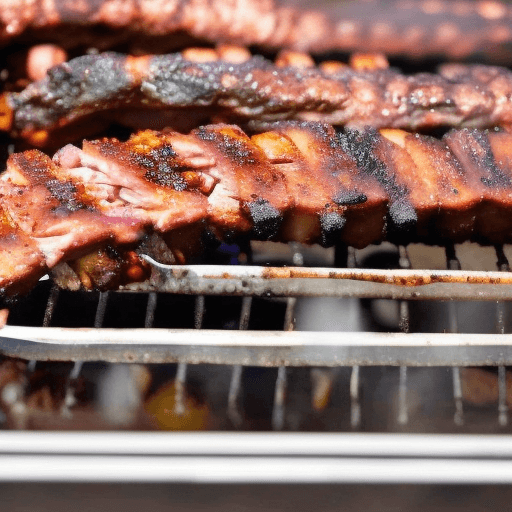
- The Smoke Phase (Unwrapped): Place the seasoned ribs directly on the grates. Allow them to smoke, unwrapped, for the majority of the cook time. This allows the bark to form, smoke flavor to penetrate, and the meat to slowly tenderize. This phase typically lasts 3-5 hours, depending on rib type and smoker temperature. Spritzing with apple juice, cider vinegar, or water every hour or so can help keep the surface moist and promote smoke adhesion, but isn't strictly necessary.
- The Optional "Brief" Wrap: Unlike the problematic 3-2-1 method, a *brief* wrap can be used strategically for no more than 60 minutes towards the end of the cook, if you desire a slightly more tender result or to push through a stall. Use a foil boat or wrap loosely with a splash of apple juice or cider vinegar. The key is *not* to steam them to mush. Many champions forego wrapping entirely, relying on precise temperature and time for their desired tenderness.
- The Finish: After unwrapping (if you did) or just continuing the smoke, allow the ribs to cook until they reach the desired doneness.
Finishing Touches: Saucy or Dry Perfection?
The grand finale brings your ribs to their saucy or dry perfection:
- Kansas City-Style (Saucy): If you prefer saucy ribs, apply your favorite barbecue sauce during the last 30-60 minutes of cooking. This allows the sauce to caramelize and thicken without burning. Apply in layers, allowing each coat to set.
- Memphis-Style (Dry Rub): For dry-rub perfection, there's no need for sauce. The robust flavor comes entirely from the seasoned bark. You might consider a very light finishing glaze (e.g., thinned apple jelly) for a subtle shine, but the star is truly the rub.
Testing for Doneness: Beyond "Fall Off The Bone"
Forget the myth of "fall off the bone." Perfectly cooked ribs are tender but still have a slight tug and chew. Here’s how to test for doneness:
- The Bend Test: Pick up one end of the rack with tongs. If the meat cracks and easily bends in the middle, it's likely done.
- The Bite Test: Take a bite near the bone. It should be tender, moist, and pull away cleanly without effort, but not disintegrate.
- Toothpick Test: A toothpick inserted between the bones should slide in with little resistance, like it's going into soft butter.
Once done, remove the ribs from the smoker and let them rest for 15-20 minutes, loosely tented with foil. This allows the juices to redistribute, ensuring maximum moisture and flavor. For the ultimate guide to creating these celebrated ribs, often referred to as "Last Meal Ribs" by those who've tasted them, delve into our dedicated article: Master Meathead's Last Meal Ribs: Trophy-Winning Smoked BBQ.
Essential Tips for Smoked Ribs Success
- Know Your Smoker: Every smoker is different. Learn its hot spots, how it holds temperature, and how it reacts to fuel changes.
- Temperature Control is King: Fluctuations are your enemy. Invest in good thermometers (ambient and meat probes) to monitor temperatures accurately.
- Don't Over-Smoke: Too much smoke, especially "dirty" white smoke, can make your ribs bitter. Aim for thin, wispy blue smoke.
- Practice Makes Perfect: Don't be discouraged if your first batch isn't exactly what you hoped for. BBQ is an art that takes practice and refinement.
- Experiment: Adjust rubs, wood types, and cook times to find what you and your family love most.
Conclusion
Mastering a sensational smoked ribs recipe is a journey that moves beyond simple instructions and into the realm of true barbecue artistry. By understanding the nuances of rib cuts, confidently discarding counterproductive myths like the 3-2-1 method and boiling, and embracing the principles of low-and-slow, patient smoking, you’ll unlock flavors and textures that are truly extraordinary. Get ready to impress your friends and family, and perhaps even earn yourself the title of backyard barbecue legend, one perfectly smoked rib at a time.
